How to Prepare a Custom Metal Fabrication RFQ (Without the Back-and-Forth)
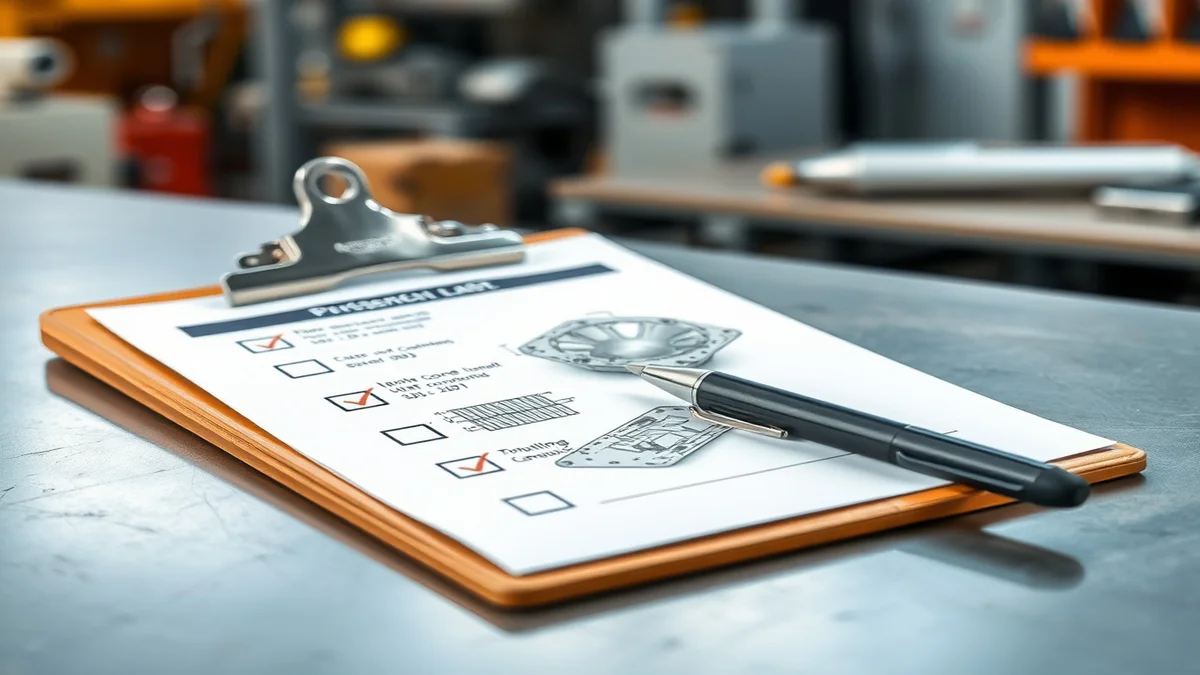
A request for quote that's missing a file, a material spec, or a firm quantity doesn't usually get turned down outright — it gets stuck. A shop reaches out for the missing piece, the buyer takes a day or two to respond, and a part that could have been quoted same-day instead takes most of a week before it's even priced. Multiply that across several suppliers and a real project timeline can slip by weeks before a single part is in production.
None of this is complicated to avoid. A complete RFQ for a custom fabricated part needs a small, specific set of information, and having it ready before you reach out to a shop is the single biggest lever you have over how fast — and how accurately — your quote comes back.
1. Start With a Real Drawing or CAD File, Not a Description
A verbal or written description of a part — even a detailed one — leaves too much room for a shop to guess at dimensions, and a guess that turns out wrong means a requote instead of a quote. For flat, laser-cut geometry, a DXF or DWG file is the fastest path to an accurate quote, since it's the same format that drives the cutting path directly. For parts with 3D geometry or machined features, a STEP file paired with a 2D drawing showing critical tolerances gets you the most accurate quote.
If you're early in development and don't have a finished CAD file, that's normal — send a sketch, a reference part, or whatever you have, and describe what the part needs to do. A capable shop will work with you to get to a quotable file rather than requiring a finished one up front.
2. Specify Material and Thickness — and Note If You're Flexible
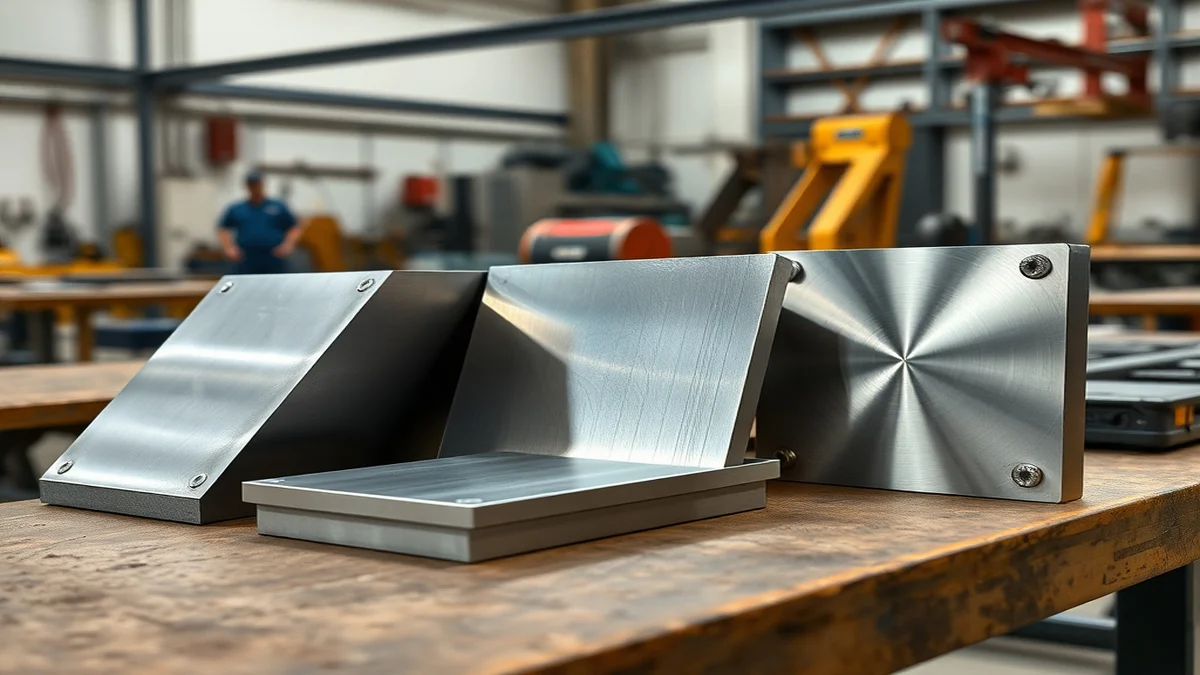
Material choice affects cost, lead time, and which processes even apply to your part, so it needs to be specified, not implied. Carbon steel, stainless steel, and aluminum are the most common structural and corrosion-resistant choices for fabricated parts, each with different cost and performance tradeoffs.
- Name the specific material and grade if you know it, or describe the application if you need help choosing
- Note the required thickness or gauge, and whether some tolerance on thickness is acceptable
- Flag if you're open to an alternate material — that flexibility can sometimes reduce cost or lead time
- Mention any corrosion, weight, or regulatory requirement driving the material choice
3. Call Out Tolerances Deliberately — Not Everything Tight
One of the most common ways an RFQ gets overpriced is by specifying a tight tolerance on every dimension, whether or not that dimension actually matters for fit or function. The better approach: set a blanket general tolerance appropriate to your process (for example, a standard linear tolerance for cut and formed features) for everything that doesn't need precision, then call out tighter tolerances only on the specific features where a mating fit genuinely requires it.
A part with every dimension marked tight tolerance isn't more precise — it's just more expensive, because the shop has to hold every feature to a standard that most of them don't actually need.
4. Give a Real Quantity — Both Prototype and Production, If You Have Both
Per-part pricing for a custom fabricated part typically changes significantly between a prototype quantity and a production run, since setup and fixturing cost gets amortized differently across volume. If you need both a small prototype batch to validate the part and a larger production run once it's confirmed, say so in the same RFQ — most shops can quote both scenarios at once rather than requiring two separate requests.
5. Note Any Downstream Steps the Part Needs
If your part needs to be cut, then formed, then welded, then finished, say so up front rather than letting the shop assume it's a single-process part. Specifying the full intended production sequence — including any finish or coating requirement — lets a shop quote the whole part flow accurately instead of quoting one step and discovering the rest later, which almost always adds cost and delay.
6. State Your Timeline Honestly
A realistic required date — not an aspirational one — helps a shop tell you clearly whether standard lead time works or whether an expedited option needs to be discussed. Production runs for custom fabricated parts commonly fall in a typical range of several weeks from confirmed order, with first-article or first-batch setup often adding time on top of that baseline. Knowing your real deadline up front avoids a mismatched expectation discovered late in the process.
The Short Version
A drawing or CAD file, material and thickness, tolerances called out deliberately rather than blanket-tight, a real quantity (or two, if you need both a prototype and production), the full intended process sequence, and an honest timeline — that's the complete RFQ. Send all of it up front, and a shop that's set up to handle custom fabricated parts should be able to turn around an accurate quote quickly instead of chasing you for the pieces one at a time.
Frequently Asked Questions
A missing or incomplete drawing file is the most common cause — either no file at all, or one without material, thickness, or quantity noted. That single gap typically triggers a round of back-and-forth that adds days before the part can even be accurately priced.
That's a reasonable approach for a new part or a significant order, and having a complete, consistent RFQ (the same file and specs sent to each shop) makes the resulting quotes genuinely comparable, rather than comparing quotes based on different assumptions.
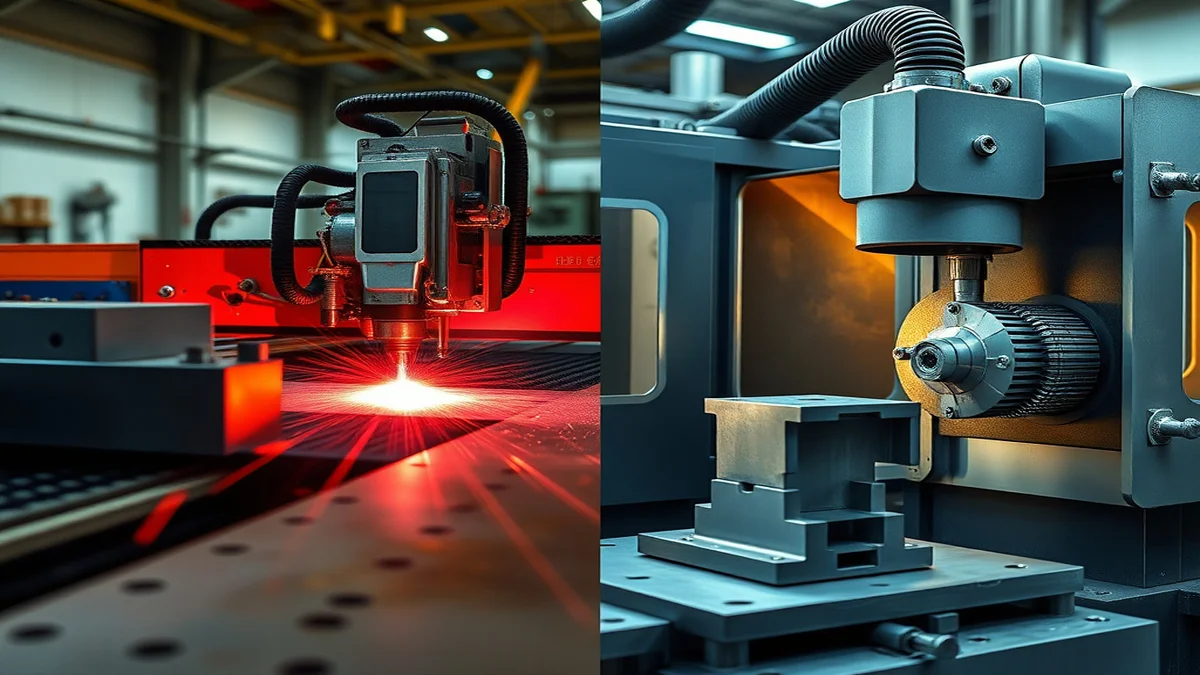
No — describing the part and its function is enough to start. A shop that handles the full sequence (cutting, forming, welding, machining, finishing) can help map out which processes actually apply and quote accordingly, rather than requiring you to specify the process breakdown yourself.
Have a part you're trying to source?
Send your drawing, material, and quantity and we'll confirm the right process before anything is quoted.